
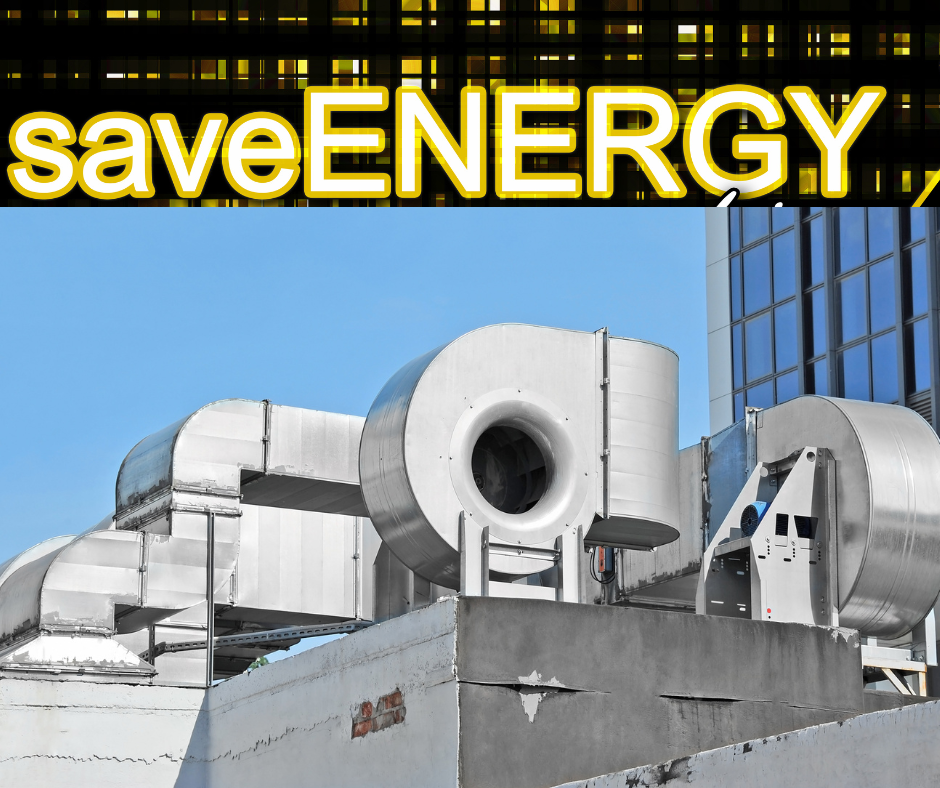
Industrial ventilation systems are among the largest energy consumers in manufacturing facilities. In sectors such as automotive, chemical processing, food manufacturing, metal fabrication, and data centers, ventilation fans often run 24/7, exhausting massive volumes of conditioned air.
What many plants overlook is that a significant portion of this energy is recoverable.
With rising energy costs, ESG pressures, and stricter emission norms, energy recovery in industrial ventilation systems is a strategic opportunity to reduce operating expenses while maintaining regulatory compliance and worker safety.
This article explores practical energy recovery opportunities in large industrial ventilation systems and how facilities can implement them effectively.
Why Industrial Ventilation Systems Waste Energy
Most large industrial ventilation systems are designed with a single objective: remove contaminants and heat. Over time, systems are modified due to:
a. Increased production loads.
b. Equipment additions.
c. Safety-driven airflow increases.
d. Compliance upgrades
However, energy optimization is rarely revisited.
Common causes of energy loss include:
a. Exhausting heated or cooled air directly to atmosphere.
b. Oversized fans operating far from their best efficiency point (BEP)
c. Constant-volume systems serving variable processes.
d. Lack of heat recovery from high-temperature exhaust streams
The result is continuous energy loss through exhaust air often accounting for 30–60% of total HVAC and ventilation energy use.
What Is Energy Recovery in Industrial Ventilation?
Energy recovery refers to capturing waste energy from exhaust air and reusing it to:
a. Preheat incoming make-up air
b. Reduce heating or cooling loads
c. Improve overall system efficiency
d. Lower fuel and electricity consumption
Unlike comfort HVAC systems, industrial ventilation energy recovery must account for:
a. Dust loading
b. Corrosive fumes
c. High temperatures
d. Contaminant cross-contamination risks
This makes application-specific design critical.
Key Design Considerations Before Implementing Energy Recovery
1. Heat Recovery from Exhaust Air
Facilities exhausting large volumes of warm air especially in colder climates can recover substantial heat.
Common applications:
a. Paint booths
b. Drying ovens
c. Welding exhaust systems
d. Chemical process ventilation
e. Industrial kitchens
Technologies used:
1. Air-to-air heat exchangers
2. Run-around coil systems
3. Plate heat exchangers (with isolation)
Recovered heat is typically used to preheat make-up air, reducing burner or electric heater loads.
2. Run-Around Coil Systems for Contaminated Air
In dusty or corrosive environments, direct heat exchangers may not be suitable.
A run-around coil system uses:
a. A closed-loop fluid circuit
b. Separate exhaust and supply coils
c. No mixing of air streams
Advantages:
a. Zero cross-contamination risk
b. Suitable for chemical fumes and particulate-laden air
c. Flexible installation across long distances
This is one of the safest energy recovery options for industrial exhaust systems.
3. Variable Air Volume (VAV) and Demand-Based Ventilation
Many plants ventilate for worst-case conditions even when processes are idle or running at partial load.
By integrating:
a. Variable Frequency Drives (VFDs)
b. Differential pressure sensors
c. Process interlocks
d. Occupancy or contaminant sensors
Facilities can reduce airflow during low-demand periods, significantly cutting fan power consumption.
Fan energy savings can exceed 40% due to the cube law.
4. Heat Recovery from High-Temperature Process Exhaust
Certain industrial processes exhaust air at temperatures exceeding 150–300°C.
Examples include:
a. Furnaces
b. Thermal oxidizers
c. Kilns
d. Incinerators
In these cases, energy recovery can include:
a. Waste heat boilers
b. Thermal fluid heat exchangers
c. Process air preheating
Recovered energy can be reused for:
a. Process heating
b. Space heating
c. Preheating combustion air
5. Optimizing Fan Selection and System Resistance
Energy recovery is ineffective if the system itself is inefficient.
Key optimization opportunities include:
a. Reducing duct losses
b. Eliminating unnecessary bends and restrictions
c. Correcting oversized or undersized fans
d. Operating fans near their BEP
A system audit often reveals hidden energy losses unrelated to the ventilation requirement itself.
6. Integration with Building Management Systems (BMS)
Modern energy recovery strategies rely on intelligent control.
By integrating ventilation systems with a BMS, facilities can:
a. Adjust airflow based on real-time demand
b. Optimize heat recovery operation
c. Monitor energy performance continuously
d. Identify degradation over time
This transforms ventilation from a fixed energy cost into a controlled, optimized system.
Key Energy Recovery Opportunities in Large Ventilation System
Before implementing energy recovery in industrial ventilation systems, evaluate:
1. Nature and concentration of contaminants
2. Exhaust air temperature and moisture content
3. Operating hours and load variability
4. Maintenance accessibility
5. Compliance with OSHA, NFPA, and local codes
Improperly designed recovery systems can cause fouling, corrosion, or safety risks negating energy savings.
Myths About Energy Recovery in Industrial Ventilation
“Energy recovery compromises air quality.”
Not when designed correctly with isolation and proper filtration.
“It only works in cold climates.”
Energy recovery also reduces cooling loads in hot climates.
“Payback periods are too long.”
Many systems achieve ROI within 18–36 months, especially in high-energy-cost regions.
Turning Exhaust into an Asset
Large industrial ventilation systems will always consume energy but they don’t have to waste it.
With the right combination of heat recovery, airflow optimization, and intelligent control, facilities can:
a. Reduce energy costs
b. Improve sustainability metrics
c. Extend equipment life
d. Maintain regulatory compliance
Energy recovery transforms ventilation from a necessary expense into a measurable operational advantage.