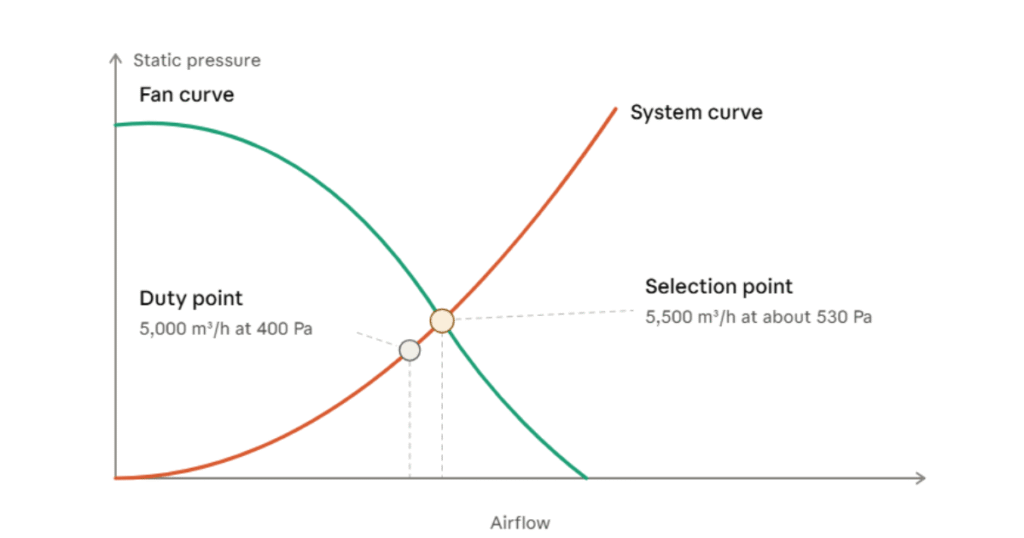
How to Select a Fan by Duty Point
Learn how to select a fan by duty point. Understand airflow, static pressure, fan and system curves, and how much safety margin to add without oversizing.

Learn how to select a fan by duty point. Understand airflow, static pressure, fan and system curves, and how much safety margin to add without oversizing.
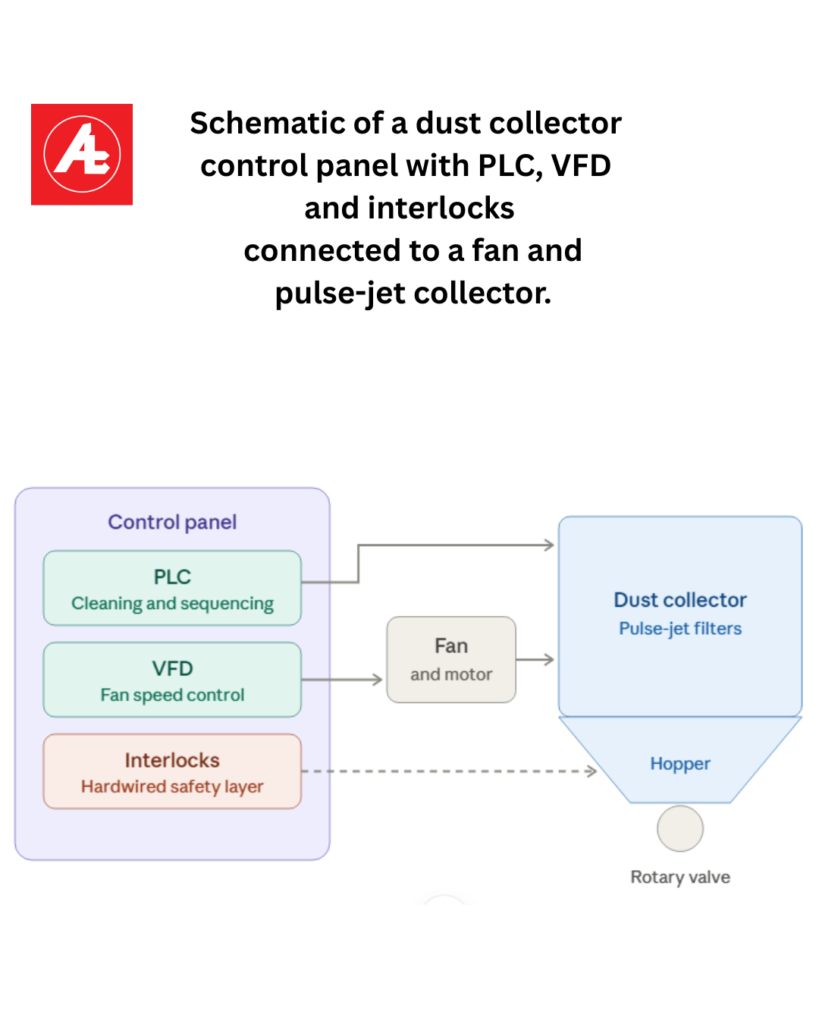
Learn how VFDs, PLCs, and safety interlocks work in fan and dust collector control panels, and how the right design cuts energy costs and downtime.
Control Panels for Fans and Dust Collectors: VFDs, PLCs, and Interlocks Explained Read More »

EC fan arrays offer up to 50% energy savings, built-in redundancy, and easy retrofits, transforming modern HVAC and airflow management systems.
EC Fan Arrays: Benefits, Applications, and How to Choose One Read More »
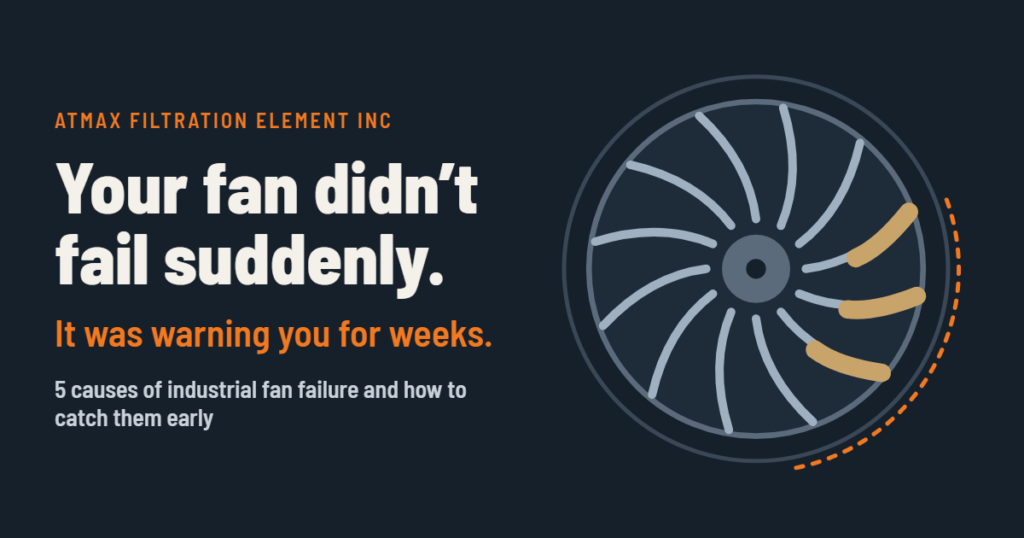
Learn the 5 most common causes of industrial fan and blower failure, the warning signs, and the preventive maintenance that stops repeat breakdowns.
Why Do Industrial Fans and Blowers Fail?Causes and Prevention Read More »
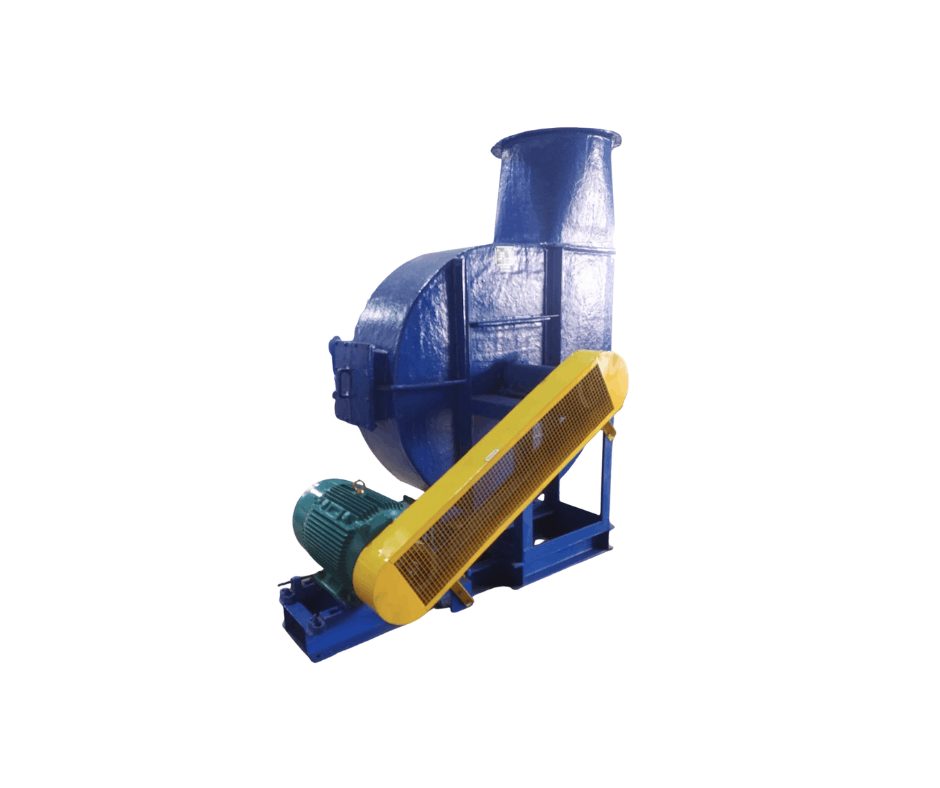
How to select FRP fume exhauster fans for ETP, STP and industrial waste treatment scrubbers. Covers fan types, sizing, construction, placement and maintenance.
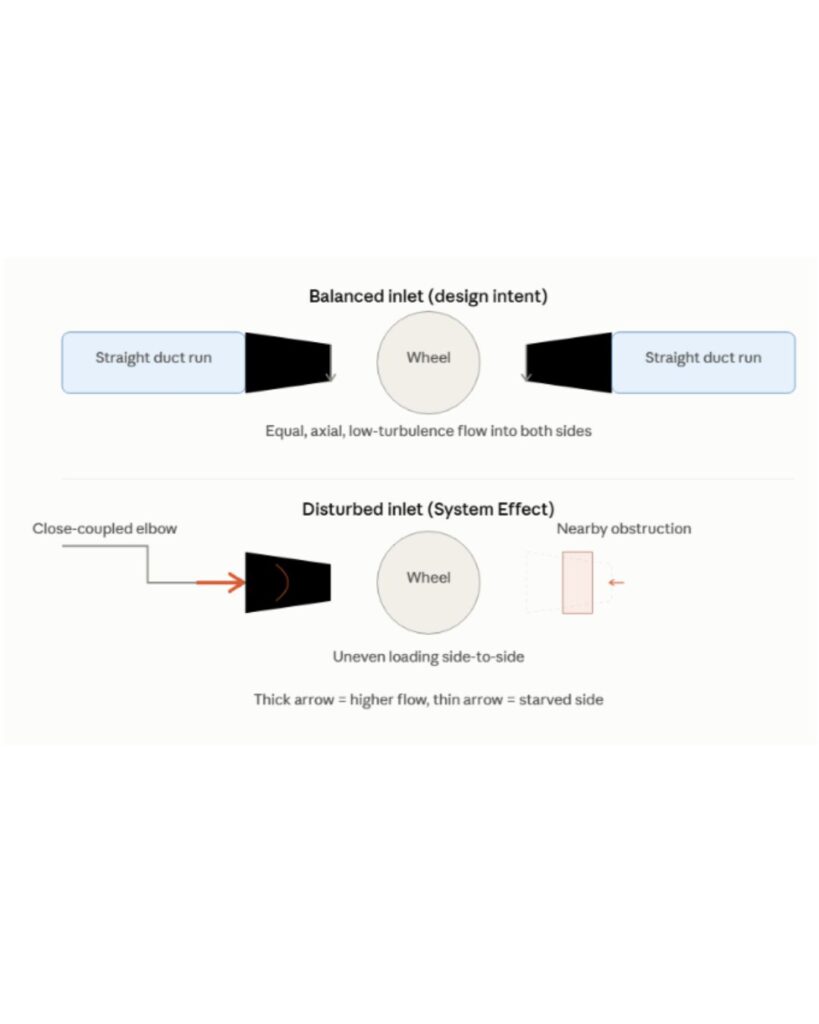
A DWDI fan has a centrifugal wheel with two inlet openings, allowing air to enter from both sides of the wheel.
DWDI Fan Inlet Conditions and Airflow Distribution Read More »
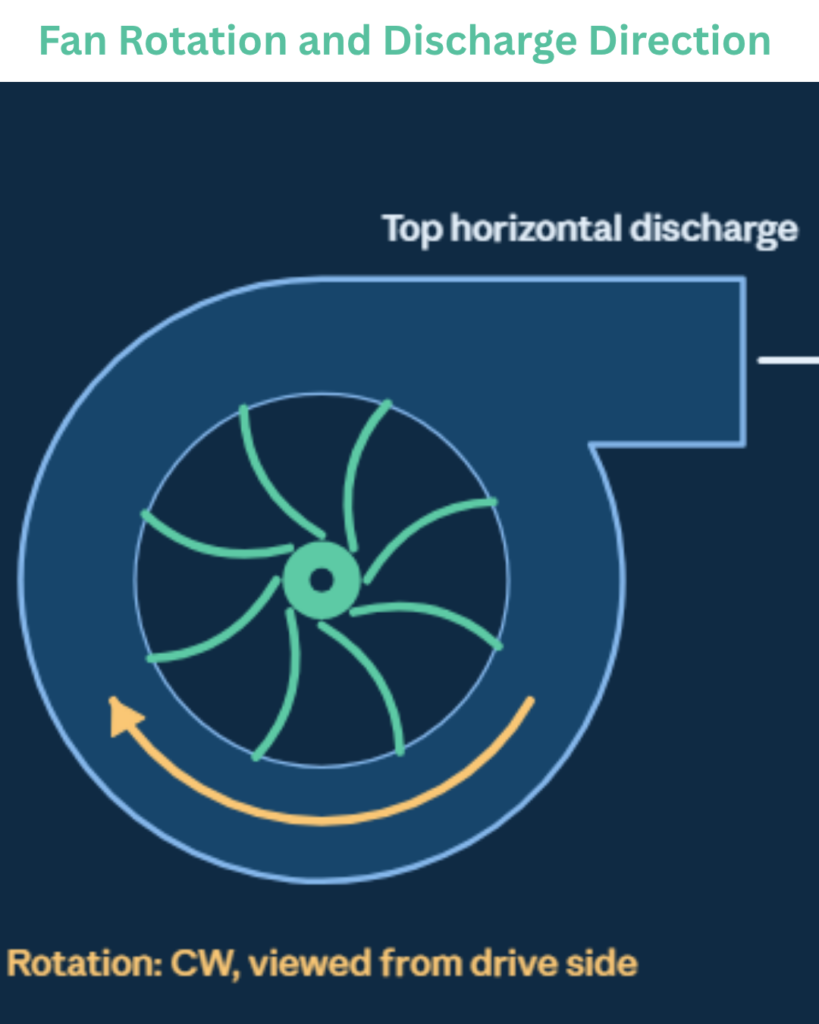
Learn how to verify centrifugal fan rotation (CW/CCW) and discharge direction per AMCA standards, and avoid low airflow in dust collectors and scrubbers.

Each AMCA arrangement represents a distinct trade-off between cost, compactness, serviceability, and suitability for demanding operating conditions.
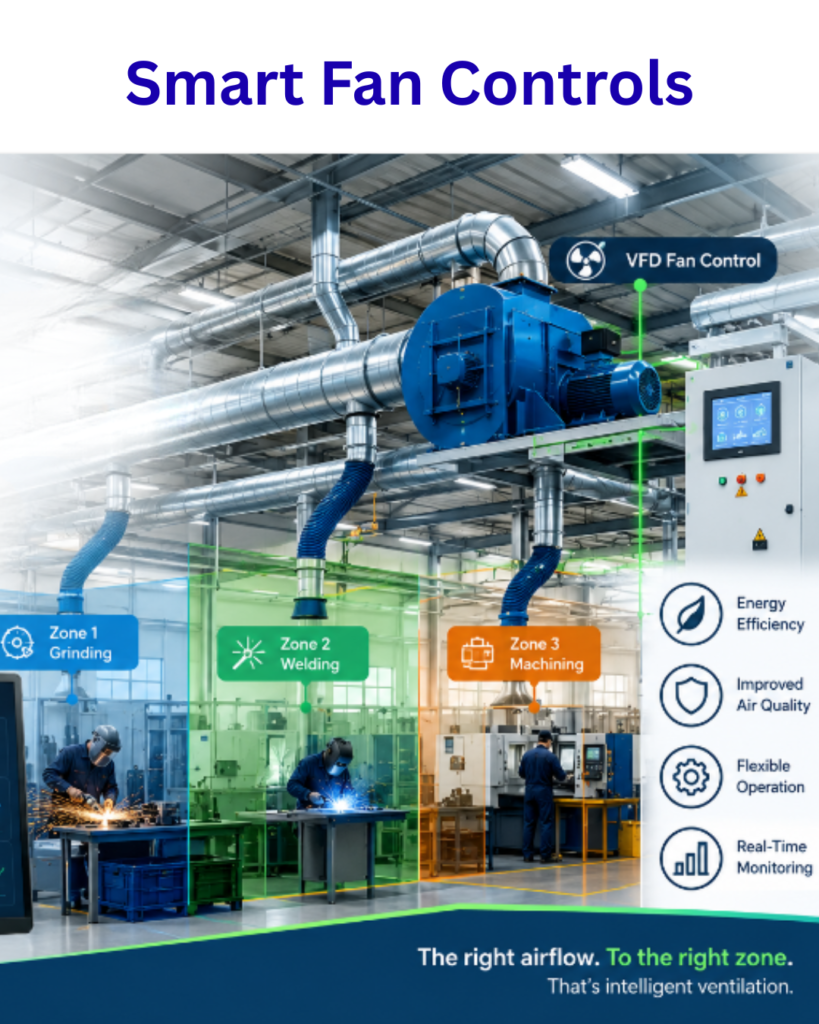
Learn how smart fan controls and zone-based airflow automation improve industrial ventilation, optimize airflow, reduce energy use, and support safer plant operations
Zone-Based Airflow Automation for Modern Industrial Facilities Read More »
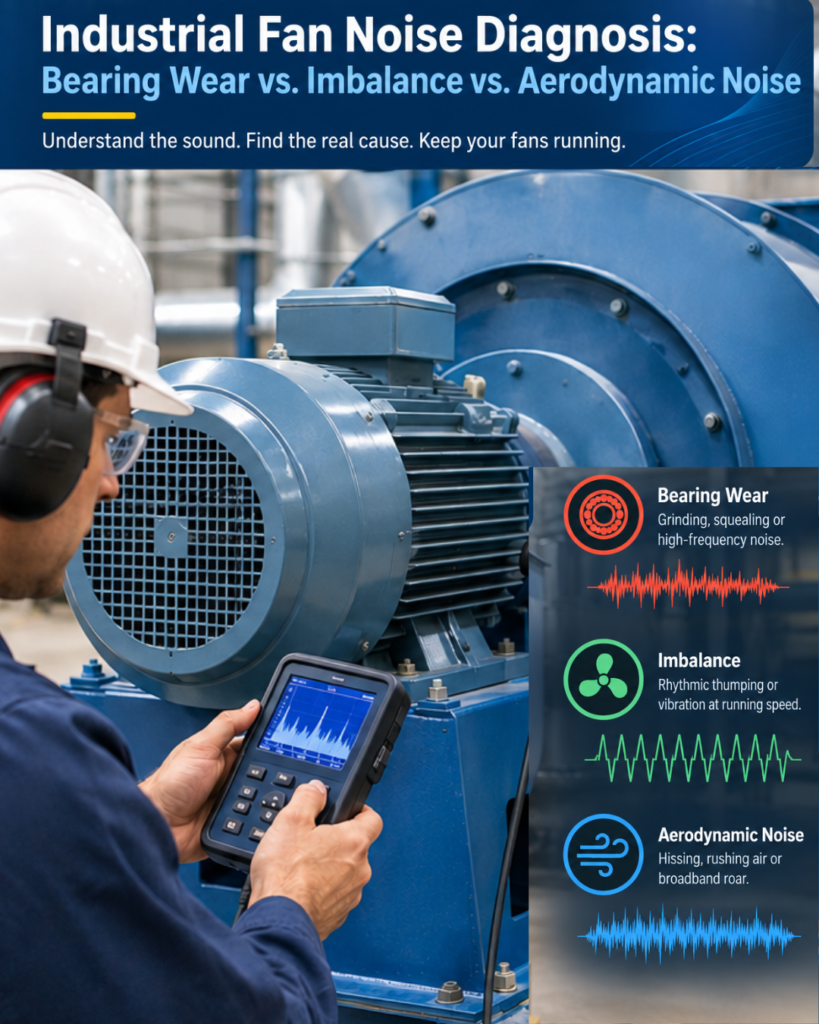
Understand the differences between bearing wear, fan imbalance, and aerodynamic noise, and know what to check before a failure occurs.
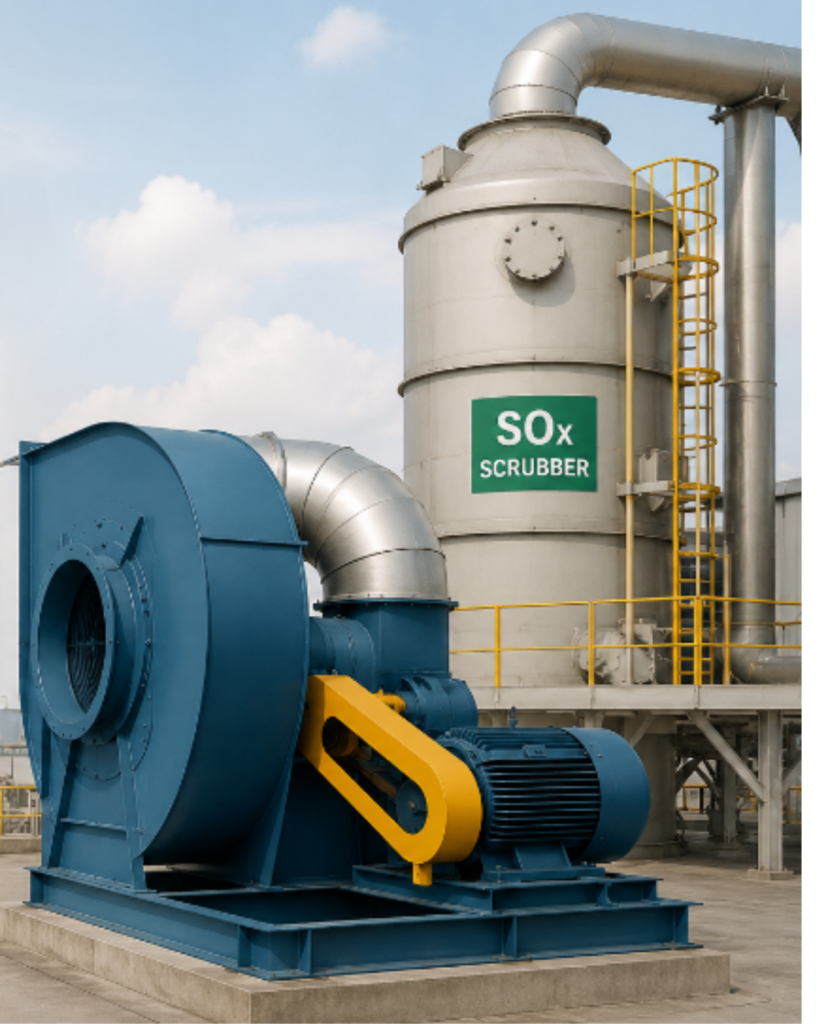
SOx scrubbers, also known as Exhaust Gas Cleaning Systems (EGCS), reduce sulphur oxide emissions from exhaust gases.
When we first looked at this robotic welding application, the productivity side was already well taken care of. The robots were doing their job efficiently and consistently. The concern was what was happening around them. Robotic welding can generate a significant amount of fine metal fumes, and because the process runs continuously, those fumes can
Case Study: Designing a Robotic Welding Fume Extraction System Read More »

Industrial dust collector explosion prevention guide covering combustible dust hazards, ignition sources, maintenance, and OSHA/NFPA safety practices.
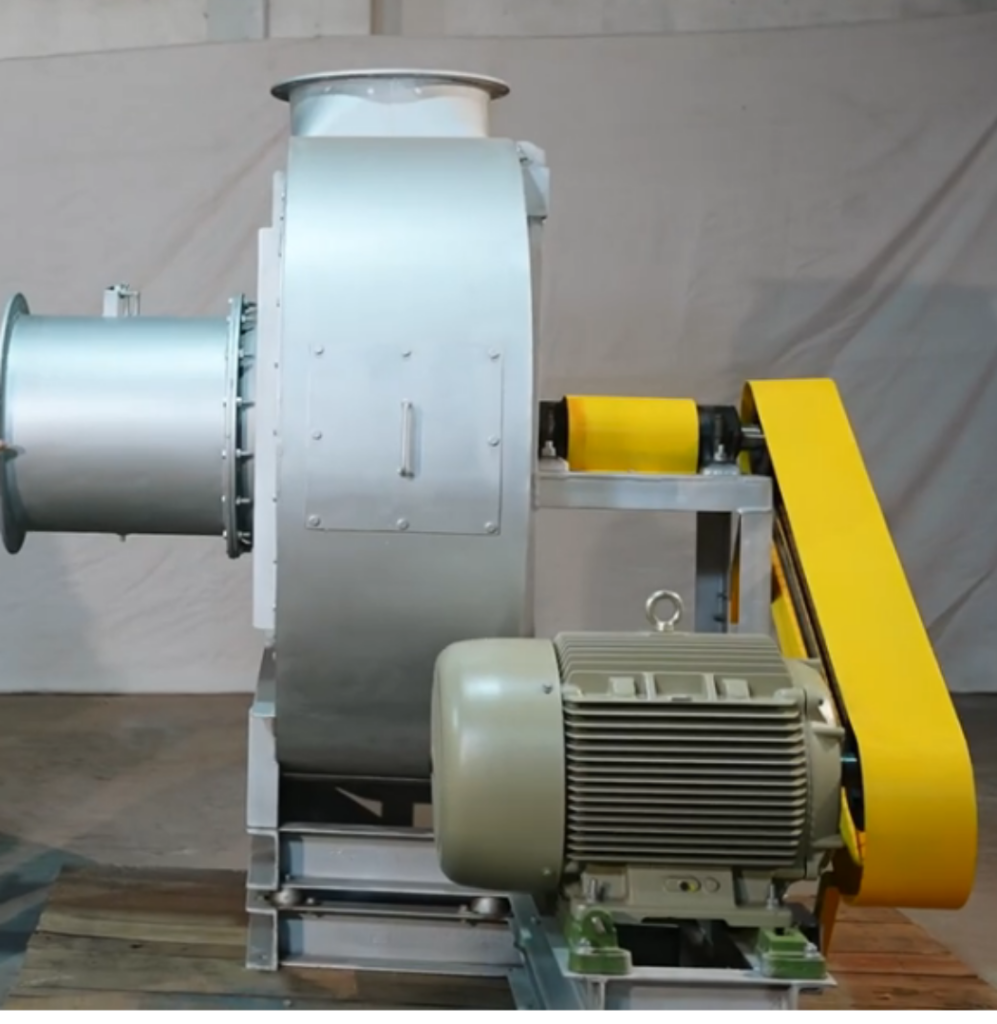
Belt-drive industrial fans are best for high-pressure, dusty, and heavy-duty industrial applications because they offer flexible speed adjustment and isolate the motor from contaminants. Direct-drive industrial fans are better for clean air applications where energy efficiency, low maintenance, quiet operation, and compact installation are the top priorities. The right choice depends on your facility’s airflow requirements, dust loading, maintenance capabilities, and long-term operating costs.
Belt-Drive vs. Direct-Drive Industrial Fans, Which Is Right for Your Facility? Read More »
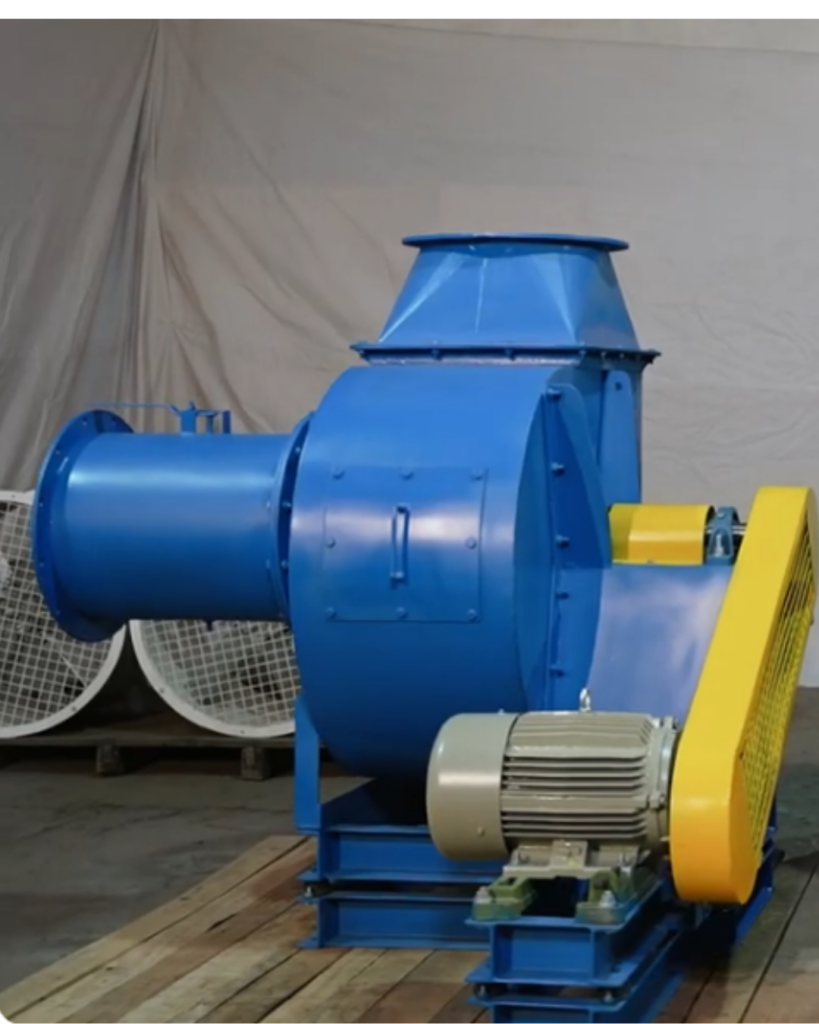
Learn how industrial fans support pharmaceutical manufacturing and cleanroom operations.
Industrial Fans for Pharmaceutical Manufacturing & Cleanrooms Read More »