
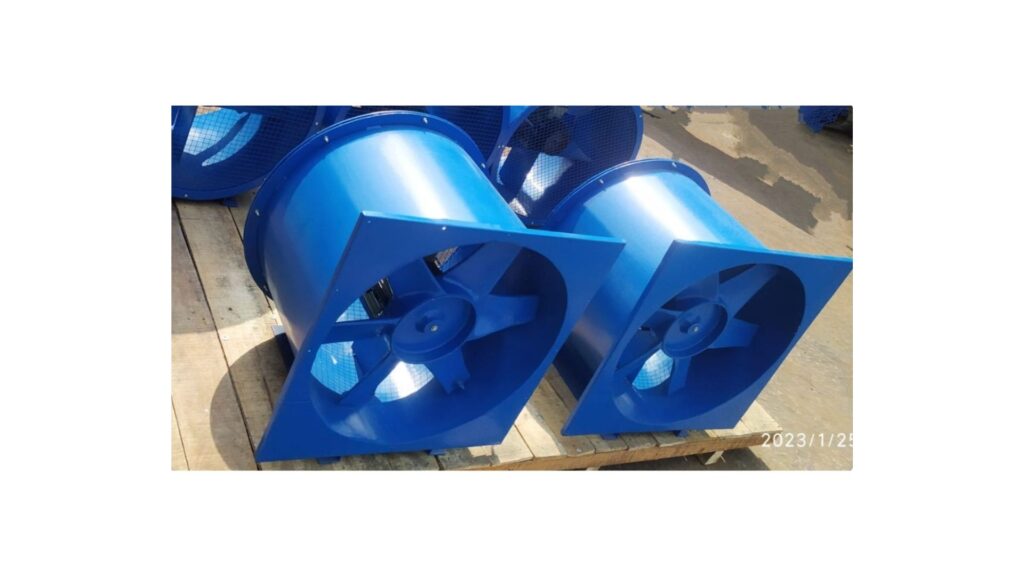
Efficient, reliable, and high-performing axial fans play a vital role in industrial ventilation and airflow management. With the right axial fan maintenance strategy, these systems can consistently deliver optimal performance, energy efficiency, and long operational life.
This comprehensive guide brings together everything you need to know from basic upkeep to advanced maintenance strategies.
What is Axial Fan Maintenance?
Axial fan maintenance refers to the systematic inspection, cleaning, and servicing of fan components to ensure consistent airflow and operational efficiency.
It includes both routine checks and advanced techniques such as predictive monitoring. A well-defined maintenance approach helps industrial systems operate smoothly while supporting long-term reliability.
Why Axial Fan Maintenance is Important
In industrial environments, airflow performance directly affects productivity and system efficiency. A structured industrial fan maintenance plan ensures that axial fans operate at their intended capacity.
Key benefits include:
- Consistent airflow delivery
- Optimized energy usage
- Reliable system operation
- Extended equipment lifespan
Key Components in Axial Fan Servicing
Effective axial fan servicing focuses on maintaining critical components that influence performance.
Fan blades must remain clean and balanced to maintain airflow efficiency. The motor should be inspected regularly to ensure consistent operation. Bearings require proper lubrication to support smooth rotation, while belts and couplings (if present) must be aligned correctly.
The housing and structural frame also contribute to overall system stability and safe operation.
Axial Fan Maintenance Checklist
A structured axial fan maintenance checklist helps standardize processes and ensures consistency.
Routine maintenance typically includes:
- Frequent monitoring: Checking airflow, vibration, and visible dust accumulation
- Periodic cleaning: Maintaining blades, housing, and motor surroundings
- Preventive servicing: Lubrication, electrical inspection, and alignment checks
Annual evaluation: Full system inspection and performance review.
Achieving long-term reliability requires a combination of routine maintenance and strategic practices.
Regular cleaning supports airflow efficiency, while monitoring key parameters such as vibration and temperature provides insights into system health. Following a proper lubrication schedule ensures smooth operation, and using high-quality components enhances durability.
Well-trained maintenance teams play a crucial role in maintaining consistency across industrial ventilation maintenance processes.
Preventive Maintenance
Modern industries are moving toward predictive approaches in axial fan maintenance. Instead of relying solely on scheduled routines, predictive maintenance uses data to optimize servicing.
Monitoring vibration trends, temperature variations, and energy consumption allows for better decision-making and improved system efficiency.
A well-implemented maintenance strategy contributes to both performance and cost efficiency. Consistent upkeep ensures stable airflow, optimized energy usage, and smooth system operation.
Over time, this leads to improved productivity and better utilization of industrial equipment
How to Build an Effective Axial Fan Maintenance Plan
Creating a reliable maintenance plan involves:
- Defining inspection schedules
- Assigning responsibilities to trained personnel
- Using checklists for consistency
- Integrating monitoring tools where required
Combining these elements helps create a structured and scalable maintenance system.
A comprehensive axial fan maintenance strategy is essential for ensuring consistent performance, energy efficiency, and long-term reliability. By combining structured routines with advanced practices, industrial systems can achieve optimal airflow and sustained operational success.