
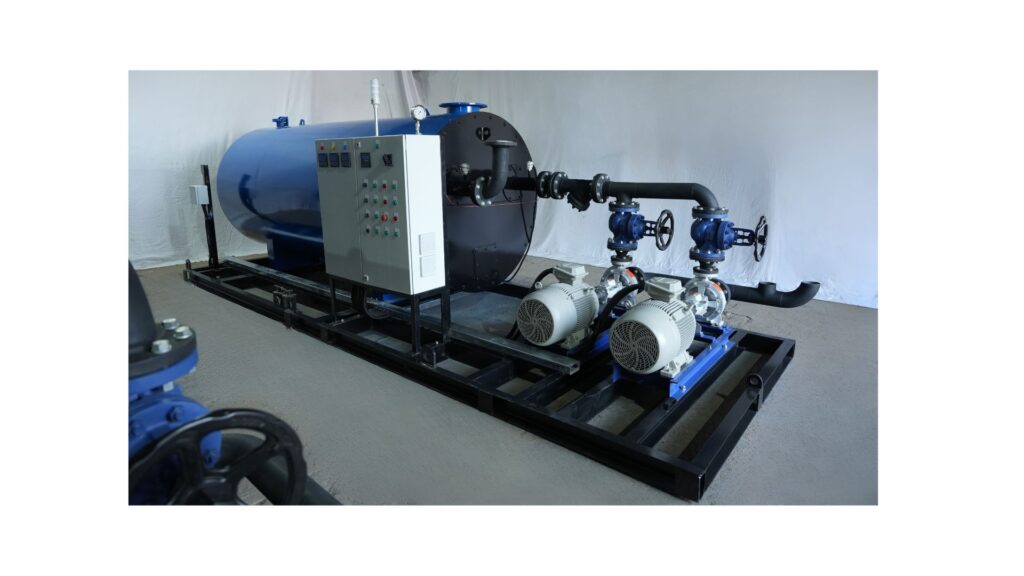
Industrial heating systems ensure consistent production, energy efficiency, and safety across sectors like chemicals, food processing, and manufacturing. Among the available technologies, thermic fluid heaters stand out for their ability to deliver precise, high-temperature heat without the challenges associated with steam systems. Their design supports stable performance while minimizing risks like corrosion or pressure-related hazards. For industries aiming to optimize heating processes and reduce operational complexity, understanding this system is essential. Atmax Filtration Elements Inc brings deep expertise in industrial solutions, let’s explore how this technology can enhance your operations.
Benefits of Thermic Fluid Heaters
- Enhanced Energy Efficiency: An indirect heating system reduces heat loss and improves thermal efficiency across industrial processes.
- Consistent Temperature Control: An indirect heating system ensures uniform heat distribution, resulting in better product quality and process stability.
- Low Maintenance Requirements: An indirect heating system eliminates issues like scaling and corrosion, reducing downtime and maintenance costs.
- Improved Operational Safety: An indirect heating system operates at lower pressures, minimizing the risk of explosions and enhancing workplace safety.
- Flexible Industrial Applications: An indirect heating system can be adapted for multiple industries, including chemicals, textiles, and food processing.
- Cost-Effective Operation: An indirect heating system lowers fuel consumption and operational expenses over time.
Key Features of Thermic Fluid Heaters
- Closed-Loop Heating Design: Ensures efficient heat transfer without direct contact between the heat source and the process fluid.
- High-Temperature Capability: Delivers consistent high temperatures without requiring high pressure conditions.
- Uniform Heat Distribution: Maintains even heating across the system, preventing hot spots and process inconsistencies.
- Advanced Control Systems: Enables precise monitoring and control of temperature for optimized performance.
- Fuel Flexibility: Supports multiple fuel options such as gas, oil, or solid fuels depending on operational needs.
- Robust Construction: Built with durable materials to withstand harsh industrial environments and continuous operation.
Thermic Fluid Heaters vs Industrial Steam Boilers
When comparing thermic fluid heaters with traditional steam boilers, the key difference lies in how heat is generated and transferred. While steam boilers rely on water conversion and high-pressure systems, an indirect heating system circulates thermal oil to deliver heat efficiently without phase change.
Steam boilers are effective for applications requiring steam, but they often involve higher maintenance due to scaling, water treatment, and pressure management. In contrast, thermic fluid systems operate at atmospheric pressure while achieving high temperatures, making them safer and easier to manage.
Another major advantage is responsiveness. An indirect heating system allows faster start-up and shutdown times compared to steam systems, improving operational flexibility. Additionally, heat losses are significantly lower, which contributes to better fuel efficiency and reduced operating costs.
Industrial Applications of Thermic Fluid Heaters
Thermic fluid heaters are widely used across industries where controlled and uniform heating is critical. Their versatility makes them suitable for:
- Chemical and pharmaceutical manufacturing for reactor heating
- Food processing units for frying, drying, and baking operations
- Textile industries for dyeing and finishing processes
- Plywood and laminate industries for hot pressing applications
- Oil and gas sectors for tank heating and viscosity control
In each of these sectors, an indirect heating system ensures precise temperature management, which directly impacts product quality and process efficiency.
Choosing the Right Thermic Fluid Heater for Your Industry
Selecting the right thermic fluid heaters depends on several operational factors. These include required temperature range, fuel availability, heat load demand, and space constraints. Businesses must also consider long-term factors such as energy efficiency, maintenance costs, and system scalability.
An indirect heating system should be designed with proper insulation, efficient burners, and advanced controls to maximize performance. Integration with existing industrial systems is another key consideration to ensure seamless operation.
Working with an experienced engineering partner can make a significant difference in system selection and implementation. Proper design and customization ensure that the heating system aligns with your production goals and regulatory requirements.
Conclusion
In modern industrial environments, efficiency, safety, and reliability are non-negotiable. Thermic fluid heaters provide a powerful alternative to conventional steam systems by offering high-temperature performance without the complexities of high-pressure operation. Their ability to deliver consistent heat through an indirect heating system makes them an ideal choice for a wide range of industries.
For businesses looking to upgrade their heating infrastructure, investing in the right solution can lead to long-term cost savings and improved productivity. Atmax Filtration Elements Inc combines engineering expertise with practical industry insights to help you make smarter, future-ready decisions in industrial heating.