
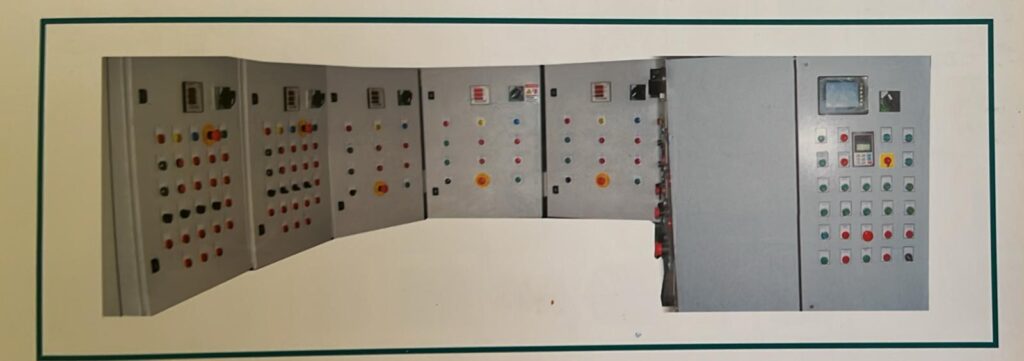
Walk into any older factory and you will see traditional control panels doing exactly what they were designed to do. Start, stop, protect equipment, and keep the process running. They are familiar, reliable, and many of them have been working for years without complaint.
Now walk into a newer plant, or one that has been upgraded recently, and you will notice something different. Control panels that do more than just control. They watch, record, and quietly tell you what is going wrong before it becomes a shutdown. That is where Industrial IoT control panels come in.
Traditional control systems
Traditional control panels are mostly built around relays, contactors, timers, and basic PLCs. Everything happens locally. If a motor trips or a fan overloads, the alarm shows up on the panel. Someone has to be there to see it, understand it, and fix it.
These systems are straightforward. Electricians understand them well. Maintenance teams trust them because there are no networks or dashboards involved. For small plants or simple machines, this approach still works just fine.
The downside shows up when something fails unexpectedly. There is very little warning. Data is limited. Most decisions are based on experience and past issues, not on actual trends.
Industrial IoT control panels
An Industrial IoT control panel still does the basics. It starts motors, protects equipment, and keeps the process safe. The difference is that it also collects data and shares it.
Sensors track current, temperature, vibration, airflow, or pressure. The PLC sends this information to a local system or a cloud platform. Instead of guessing why a fan failed, you can see that the bearing temperature was slowly rising for weeks.
You do not need to stand in front of the panel all day. You can check performance from your phone or office system. Maintenance becomes planned instead of rushed.
Difference between Traditional Control Panels Vs IoT Control Panels
With traditional systems, problems are discovered after they happen. With Industrial IoT panels, problems often show up as small warnings before they become serious.
Energy usage is another big difference. Traditional panels rarely tell you how much power a machine is wasting. IIoT panels make this visible. Once you see it, you can actually do something about it.
Downtime also feels different. Instead of panic calls and emergency repairs, teams have time to plan shutdowns and order spares in advance.
When traditional systems still make sense
Not every plant needs Industrial IoT. If the process is simple, the budget is tight, or the equipment runs occasionally, a traditional control panel can be the right choice.
There is also comfort in simplicity. Fewer systems mean fewer things to manage. For some operations, that matters more than data.
So which one should you choose?
If you want basic control and reliability, traditional control panels still deliver. If you want visibility, energy savings, and fewer surprises, Industrial IoT control panels are hard to ignore.
Many plants are now choosing a middle path. They keep existing panels and slowly add sensors, data logging, or remote monitoring. It is a practical way to move forward without disrupting operations.
Final Thoughts
Control panels are becoming quiet observers of how your plant actually runs. Whether you stay traditional or move toward Industrial IoT, the best system is the one that fits your process, your people, and your day-to-day reality.
At Atmax Filtration, we see this every day while working with industrial ventilation systems, dust collectors, fans, and plant utilities. Some facilities need simple, rugged control panels that just work. Others benefit from smarter panels that track performance, energy usage, and early signs of trouble. Our approach is practical. We design and support control panels that match the process, not the trend, and help plants move toward smarter control at a pace that makes sense for them.