
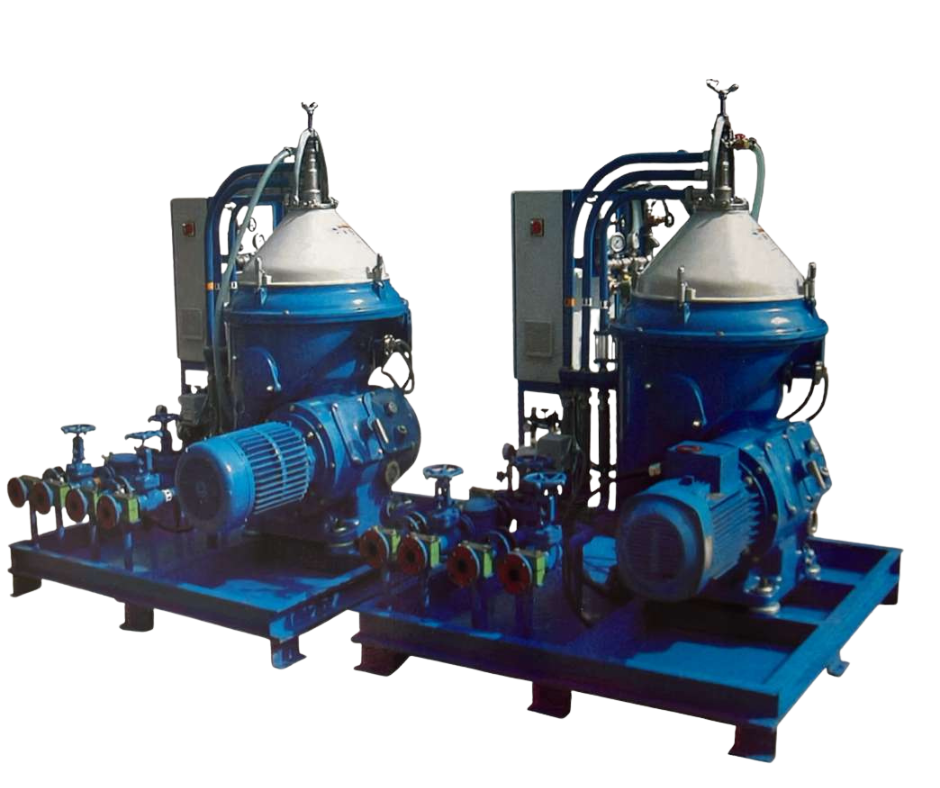
In many industrial processes, a decanter centrifuge runs continuously for long hours, handling everything from wastewater sludge and chemical slurries to food products and mineral suspensions. As production demands increase, these machines are expected to deliver consistent separation performance with minimal interruption. Even a minor drop in efficiency can affect product quality, increase operating costs, and lead to unplanned maintenance.
Most centrifuge problems don’t occur suddenly. They often begin as small changes, slightly higher vibration levels, increased power consumption, reduced cake dryness, or gradual wear of internal components. If these early signs are overlooked, they can develop into expensive repairs and unexpected production downtime.
A well-maintained decanter centrifuge not only performs more efficiently but also consumes less energy, experiences fewer breakdowns, and delivers a longer service life. Regular inspections, correct operating parameters, and timely maintenance are key to keeping the equipment running at its best.
In this article, we’ll look at ten of the most common decanter centrifuge problems faced in industrial applications, what causes them, and the practical steps that can help prevent them. Whether you’re operating a wastewater treatment facility, chemical plant, food processing unit, oil and gas industry or any other continuous separation process, these maintenance practices can help improve reliability and reduce lifecycle costs.
1. Poor Separation Efficiency
One of the most frequent complaints is reduced separation efficiency, where solids remain in the liquid phase or excessive moisture is retained in discharged solids.
Common Causes are
- Incorrect bowl speed
- Improper differential speed
- Feed rate exceeding design capacity
- Variations in feed characteristics
- Worn conveyor flights
Prevention
- Optimize bowl and scroll speeds according to product characteristics.
- Monitor feed consistency regularly.
- Avoid sudden increases in feed flow.
- Schedule periodic performance evaluations.
- Replace worn internal components before efficiency declines.
2. Excessive Vibration
High vibration levels not only reduce separation performance but can also damage bearings, shafts, and structural components.
Common Causes are
- Product imbalance
- Build-up inside the bowl
- Damaged bearings
- Rotor imbalance
- Improper installation
Prevention
- Clean the bowl regularly.
- Monitor vibration using predictive maintenance tools.
- Perform dynamic balancing during major overhauls.
- Ensure the machine is installed on a rigid foundation.
- Inspect bearings at recommended intervals.
- High Bearing Temperature
Overheated bearings often indicate lubrication or alignment issues and can result in catastrophic failures.
Common Causes are
- Insufficient lubrication
- Contaminated grease
- Bearing wear
- Shaft misalignment
- Overloading
Prevention
- Follow manufacturer lubrication schedules.
- Use high-quality lubricants.
- Monitor bearing temperatures continuously.
- Replace bearings showing early signs of wear.
- Avoid operating beyond rated capacity.
4. Scroll Conveyor Wear
The scroll conveyor continuously transports abrasive solids, making it one of the most wear-prone components.
Common Causes are
- Abrasive materials
- High solids concentration
- Improper differential speed
- Inadequate wear protection
Prevention
- Use tungsten carbide or ceramic wear protection.
- Optimize differential speed.
- Inspect flights periodically.
- Replace wear liners before structural damage occurs.
- Match machine materials with the application.
5. Bowl Blockage
Accumulated solids can restrict product discharge and reduce machine performance.
Common Causes are
- Sticky products
- Inconsistent feed
- Low differential speed
- Poor flushing practices
Prevention
- Flush the centrifuge after shutdown.
- Maintain proper feed consistency.
- Optimize conveyor speed.
- Schedule routine cleaning.
- Avoid prolonged idle periods with product inside the bowl.
6. Excessive Noise
Unusual operating noise is often an early warning sign of mechanical problems.
Common Causes are
- Bearing damage
- Loose fasteners
- Misalignment
- Rotor imbalance
- Gearbox issues
Prevention
- Conduct routine inspections.
- Tighten mounting hardware.
- Monitor gearbox condition.
- Investigate unusual sounds immediately.
- Replace damaged components before failure occurs.
7. Product Leakage
Leaks can contaminate the work environment, reduce product recovery, and create safety hazards.
Common Causes are
- Damaged seals
- Worn O-rings
- Improper assembly
- Excessive pressure
- Corrosion
Prevention
- Inspect seals during every maintenance cycle.
- Replace O-rings proactively.
- Verify proper assembly procedures.
- Use corrosion-resistant materials where required.
- Avoid pressure spikes.
8. High Power Consumption
An increase in energy usage often signals that the centrifuge is operating inefficiently.
Common Causes are
- Overloading
- Excessive friction
- Bowl fouling
- Incorrect operating parameters
- Mechanical wear
Prevention
- Monitor power trends regularly.
- Clean the bowl to prevent deposits.
- Optimize feed rate.
- Maintain proper lubrication.
- Address wear before it impacts efficiency.
9. Frequent Differential Gearbox Failures
The differential gearbox controls the relative speed between the bowl and scroll. Failures can halt production entirely.
Common Causes are
- Poor lubrication
- Excessive torque
- Gear wear
- Improper maintenance
Prevention
- Inspect gearbox oil routinely.
- Monitor operating torque.
- Replace worn gears before failure.
- Follow preventive maintenance schedules.
- Use genuine replacement components.
10. Premature Equipment Wear
Accelerated wear reduces equipment lifespan and increases maintenance costs.
Common Causes are
- Abrasive feed materials
- Incorrect material selection
- Lack of preventive maintenance
- Continuous overload operation
Prevention
- Select wear-resistant construction materials.
- Conduct regular inspections.
- Replace consumable wear parts on schedule.
- Train operators on proper operating procedures.
- Implement predictive maintenance technologies.
At Atmax Filtration Elements Inc., we provide high-performance decanter centrifuge solutions engineered for demanding industrial applications. Our systems are designed to deliver maximum separation efficiency, reduced maintenance requirements, and long service life.
Our expertise includes:
- Industrial Decanter Centrifuges
- Process Optimization
- Equipment Upgrades
- Spare Parts & Wear Components
- Preventive Maintenance Support
- Technical Consultation
- Custom Separation Solutions
- After-Sales Service
With a commitment to engineering excellence and customer satisfaction, Atmax helps industries achieve reliable, energy-efficient, and cost-effective separation performance.
Conclusion
Decanter centrifuges performance depends heavily on proper operation and maintenance. By understanding the most common issues, such as vibration, poor separation efficiency, bearing failures, wear, and excessive energy consumption plant operators can prevent costly breakdowns and maximize equipment reliability.
Implementing a proactive maintenance strategy, monitoring operating conditions, and partnering with an experienced equipment provider can significantly improve the longevity and efficiency of your centrifuge system.
Whether you’re upgrading an existing installation or investing in a new separation solution, Atmax Filtration Elements Inc. is your trusted partner for reliable, high-performance decanter centrifuge systems tailored to your process requirements.